

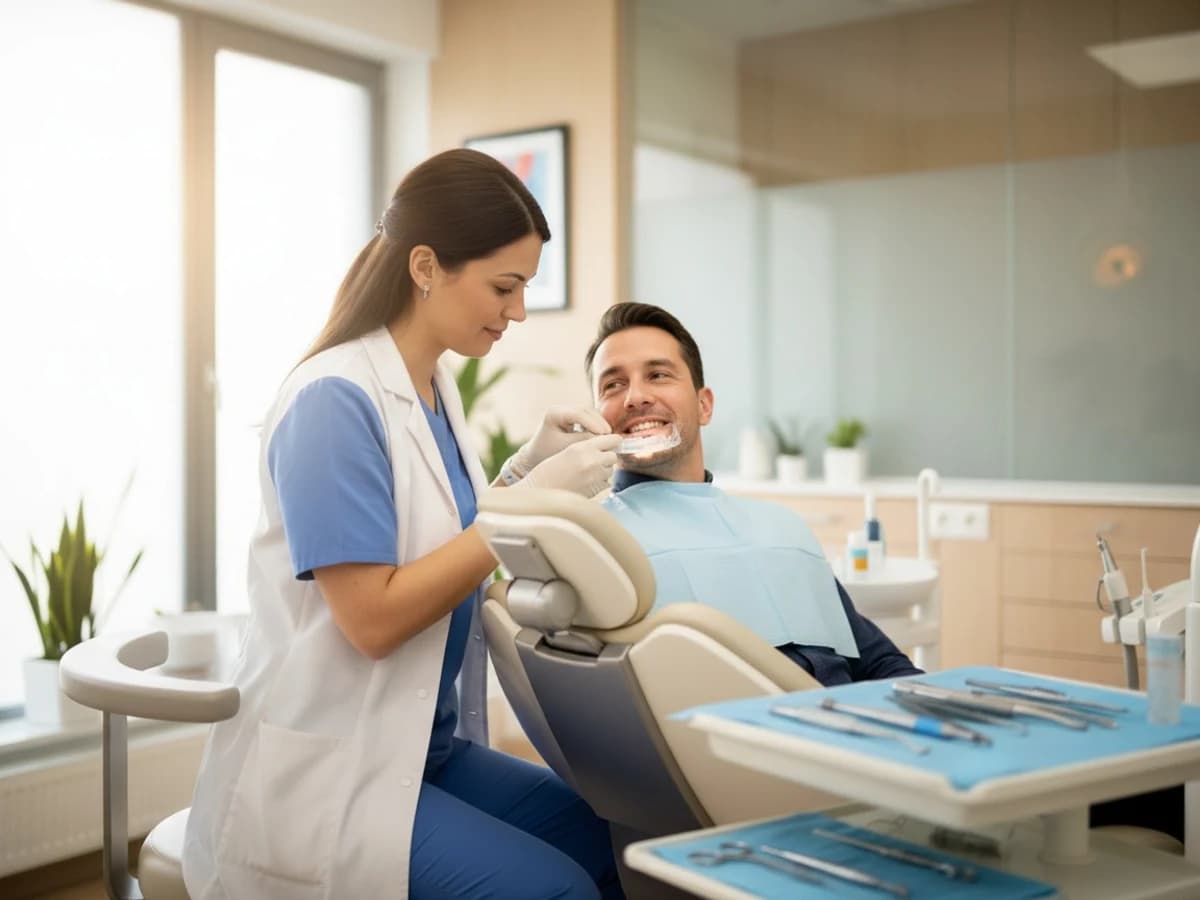
All-on-4 vs All-on-6: an overview for Antalya patients
For people facing full-arch tooth loss or failing dentition, both All-on-4 and All-on-6 are modern, predictable ways to return to a fixed, natural-looking smile. The core difference is simple: All-on-4 uses four titanium implants to support an entire arch, typically with two posterior implants angled to maximize available bone; All-on-6 places six implants for broader load distribution and extra redundancy. Both approaches frequently allow a same-day provisional bridge and use titanium fixtures with high-strength prosthetic materials such as zirconia for the final restoration.
Who is a candidate?
Candidacy depends on systemic health, bone volume and density, bite forces and lifestyle. Typical considerations include:
- Bone quantity and quality: All-on-4 is often recommended when posterior bone is reduced because angled posterior implants use denser anterior bone and can avoid grafting in many cases. All-on-6 is preferred when there is good bone in both anterior and posterior regions or where additional implants are desirable for heavy function.
- Bite dynamics: Patients with strong bite forces or parafunctional habits (e.g., bruxism) may benefit from All-on-6 due to improved load distribution and lower stress on each implant.
- Medical history: Smoking, uncontrolled diabetes, immunosuppression, or active periodontal disease require careful management before implant surgery. Most controlled medical conditions do not preclude treatment but need multidisciplinary planning.
- Patient goals: Desire to avoid bone grafting, shorten treatment time, or to maximize long-term robustness will influence the choice alongside clinical findings.
Pre-operative planning and technology
Thorough planning is the foundation of successful full-arch rehabilitation. At Dentsun International we use cone beam CT (CBCT) for three-dimensional bone assessment and digital scanning to capture soft tissues and occlusion. Guided surgery workflows let us place implants with high precision, optimizing angulation and position for prosthetic support. Treatment planning also includes evaluating opposing dentition, identifying parafunctional habits and deciding on immediate provisional design.
Typical surgical steps (what to expect on the day)
- Consultation and imaging: Final review of CBCT and digital plan.
- Extractions (if needed): Problem teeth are removed atraumatically; sockets may be smoothed to accept implants.
- Implant placement: Four or six titanium implants are placed according to the plan. For All-on-4, the posterior implants are often angled (typically 30–45 degrees) to use anterior bone; for All-on-6, implants are more evenly spaced including distal implants for support.
- Immediate provisional: A fixed provisional bridge—usually acrylic or reinforced resin—is attached the same day to allow function and aesthetics while osseointegration begins.
- Post-op instructions: Antibiotics and analgesics may be prescribed, and care instructions for diet and oral hygiene are reviewed.
Healing timeline and what you will feel
The predictable timeline for immediate-load full-arch treatment is:
- First 24–72 hours: Swelling and mild discomfort are typical. Ice packs, rest and pain control help. Soft, cold and lukewarm foods are recommended.
- First 1–2 weeks: Sutures (if used) may be removed or dissolve; most acute swelling and bruising subside. A soft diet remains important to avoid overloading the provisional.
- 3–6 months: Osseointegration matures. Periodic check-ups include clinical examinations and sometimes periapical or CBCT imaging to confirm bone healing. Occlusion adjustments may be made to protect implants.
- After 3–6 months: The final prosthesis—commonly zirconia (monolithic or layered) on a titanium framework or a hybrid zirconia-titanium solution—is fabricated and fitted for long-term function and aesthetics.
Long-term outcomes and durability
Both concepts show high stability and patient satisfaction when clinical guidelines are followed. Biomechanical studies indicate All-on-6 disperses stress over a larger area and can produce lower peak stresses in bone and implants, which translates into an advantage in cases with high functional demand. Long-term reports suggest many patients enjoy 15+ years with All-on-4 and 20+ years or longer with All-on-6 when diligent hygiene and maintenance are followed. If an implant fails, treating the issue is usually possible without losing the entire prosthesis—All-on-6 offers slightly more redundancy to manage isolated implant problems.
Aftercare and maintenance — practical advice
Good aftercare is essential for longevity. Actionable steps include:
- Home hygiene: Use a soft toothbrush, interdental brushes or floss threaders under the bridge, and consider a water flosser for hard-to-reach areas. Nightly antimicrobial rinses (e.g., chlorhexidine short-term under clinician guidance) can reduce bacterial load after surgery.
- Professional follow-up: Six-month implant maintenance visits for professional cleaning, occlusion checks and soft-tissue assessment are recommended.
- Protective measures: If you grind your teeth, a custom night guard will protect your prosthesis. Avoid hard or sticky foods during the initial months and always follow your clinician’s dietary guidance.
- Watch for warning signs: Persistent pain, mobility of the prosthesis, unusual swelling, or increased bleeding should prompt an urgent review.
Why choose Antalya and Dentsun International for full-arch care?
Antalya has become a trusted destination for implant dentistry because many clinics combine experienced surgical teams, up-to-date digital workflows and well-established patient care services. At Dentsun International we provide CBCT-guided planning, experienced implant surgeons familiar with both All-on-4 and All-on-6 protocols, and coordinated care for international patients—from treatment planning to aftercare and travel logistics. Patients often appreciate the streamlined single-arch protocols, clear timelines for provisional and final prostheses, and the combination of clinical excellence with a welcoming, supportive environment.
Choosing the right option for you
The best choice between All-on-4 and All-on-6 is individualized. If you have moderate to severe posterior bone loss and want to minimize grafting and operative time, All-on-4 is frequently suitable. If you have good bone volume, heavy bite forces or want additional redundancy and distal support, All-on-6 may provide superior biomechanics and long-term resilience. A comprehensive clinical assessment with CBCT imaging, a review of your health history and a discussion of lifestyle expectations will identify the most appropriate plan for your needs.
If you’re considering full-arch implants and would like a thorough, compassionate evaluation, our team at Dentsun International is available to guide you through candidacy assessment, treatment planning and what to expect from the day of surgery through long-term maintenance. Restoring a confident, functional smile is achievable with careful planning, evidence-based techniques and attentive follow-up care.


