

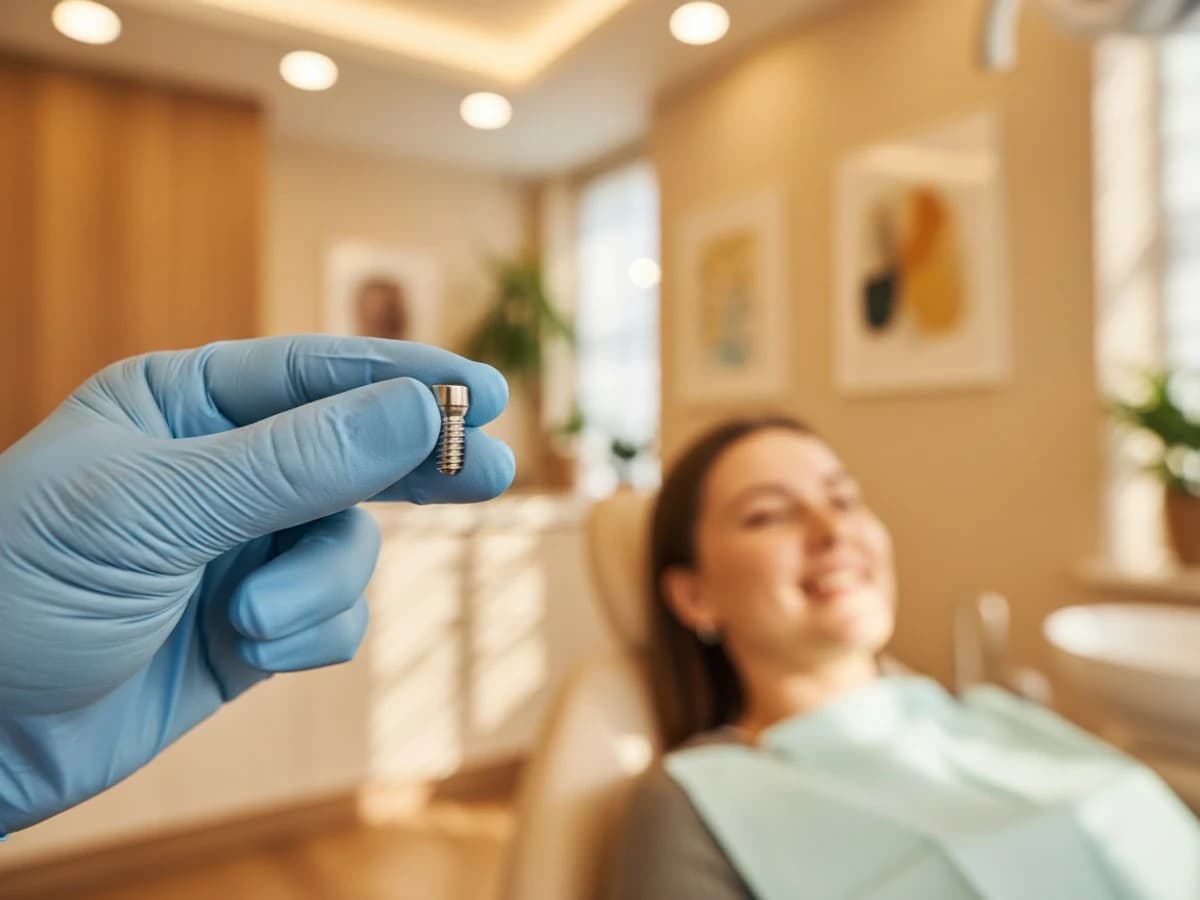
Do dental implants hurt? A practical, reassuring overview
It’s natural to feel anxious about pain when you’re facing dental implant surgery. The good news is that the implant procedure itself is usually performed with effective anesthesia and, when indicated, sedation — so most patients feel little to no pain during the operation. Some soreness, swelling and tenderness afterward are common, but these symptoms are generally manageable and short‑lived with proper care.
What to expect during the procedure
Dental implant placement is a surgical procedure, but modern techniques make it much more comfortable than many people expect. A typical appointment includes:
- Administration of local anesthesia to numb the area.
- Optional sedation (nitrous oxide, oral sedatives, or IV sedation) for anxious patients or complex cases.
- A small incision or flap, careful drilling of an osteotomy (a pilot hole) into the jawbone, and placement of the implant fixture (usually a medical‑grade titanium post).
- Suturing of the gum tissue if needed and placement of a healing cap or temporary restoration in selected cases.
During the procedure you may feel pressure, vibration, or movement, but pain should be controlled by anesthesia. If you do experience discomfort, tell your clinician right away so they can provide additional anesthetic or adjust the plan.
Typical post‑op discomfort and timeline
- First 24–48 hours: This is when discomfort, swelling and minor bleeding are most likely. The sensation is usually described as dull aching or pressure rather than sharp pain.
- Days 3–5: Pain and swelling typically begin to subside; you should be able to rely more on over‑the‑counter analgesics and home care.
- By 1 week: Soft tissue healing is well under way for most patients; sutures may be removed or dissolve.
- 1–2 weeks onward: You should see steady improvement. Bone integration (osseointegration) continues over months, but that phase is usually not painful.
Overall, most patients report that post‑op discomfort is comparable to, or less than, a conventional tooth extraction. Recovery speed varies with the complexity of the case and individual healing capacity.
Why some cases cause more pain
Certain factors make surgery more invasive and prolong recovery:
- Placement of multiple implants in one visit
- Bone grafting or sinus lift procedures
- Longer surgery time or greater soft‑tissue manipulation
- Pre‑existing infection or periodontal disease
- Medical conditions (e.g., poorly controlled diabetes) or tobacco use
- High dental anxiety, which can amplify perceived pain
Knowing these risk factors helps your team plan anesthesia and aftercare to reduce discomfort.
Materials and technology that reduce pain and speed recovery
Advances in implant materials and digital planning help minimize surgical trauma and improve comfort:
- Titanium implants remain the gold standard due to excellent osseointegration; zirconia implants are an alternative for patients seeking metal‑free options.
- Prosthetic crowns are commonly made from zirconia, lithium disilicate (e.max), or porcelain systems chosen for strength and aesthetics.
- CBCT (cone beam) imaging, intraoral digital scans, virtual planning software and 3D‑printed surgical guides enable precise, often flapless implant placement — which can significantly reduce postoperative pain and swelling.
Evidence‑based pain relief strategies
A multimodal approach to pain control is most effective:
- First‑line medications: Non‑steroidal anti‑inflammatory drugs (NSAIDs) such as ibuprofen, or acetaminophen, are commonly recommended. When appropriate, using both (staggered or combined as advised by your clinician) can provide superior relief compared with either alone.
- Prescription analgesics: Reserved for more complex surgery or when non‑opioids are insufficient. Your clinician will consider your medical history and any medication interactions before prescribing.
- Antibiotics: Not required for every case; used selectively based on infection risk, grafting procedures, or clinician judgment.
- Local and systemic measures: Ice packs, head elevation, soft diet, and rest are simple but effective tools to reduce pain and swelling.
Always discuss allergies, medical conditions (e.g., stomach ulcers, bleeding disorders), and current medications with your dental team before taking analgesics.
Practical home care tips to reduce pain and promote healing
- Apply ice packs (20 minutes on, 20 minutes off) to the cheek for the first 24–48 hours.
- Keep your head elevated when resting to limit swelling.
- Eat soft, nutritious foods and avoid chewing directly on the surgical side for several days.
- Avoid smoking and alcohol during healing — both impair blood flow and delay recovery.
- Begin gentle rinsing with warm salt water once advised by your clinician; use chlorhexidine rinse only if prescribed.
- Brush nearby teeth gently and avoid disturbing sutures or blood clots.
- Follow all post‑op instructions from your dentist and attend scheduled follow‑ups.
Warning signs — when to contact your dentist urgently
Most post‑op discomfort improves steadily, but contact your dental clinic promptly if you experience any of the following:
- Increasing or severe pain after day 3–5 instead of improvement
- Fever, pus, bad taste or odor indicating possible infection
- Persistent or increasing swelling, redness, or heat at the site
- Numbness, tingling, or burning sensations in the lip, chin, tongue or gums that do not resolve once anesthesia has worn off (possible nerve issue)
- Mobility of the implant, difficulty closing the bite, or new sinus symptoms after an upper‑jaw implant
Prompt assessment can often address complications early and prevent more serious problems.
Preparing for a comfortable implant experience
Good preparation and choosing an experienced team make a big difference. At Dentsun International, our implant workflow emphasizes thorough diagnosis (CBCT imaging and digital planning), appropriate anesthesia/sedation options, and modern guided techniques to limit surgical trauma. Antalya is a popular destination for international patients because clinics commonly combine high clinical standards with comfortable care and convenient travel arrangements.
If you’re nervous about pain, discuss sedation options and a clear pain‑control plan with your surgeon. With modern materials, careful planning and evidence‑based pain management, most people find dental implants far less painful than they anticipated — and the long‑term benefits for function and confidence are substantial.


