

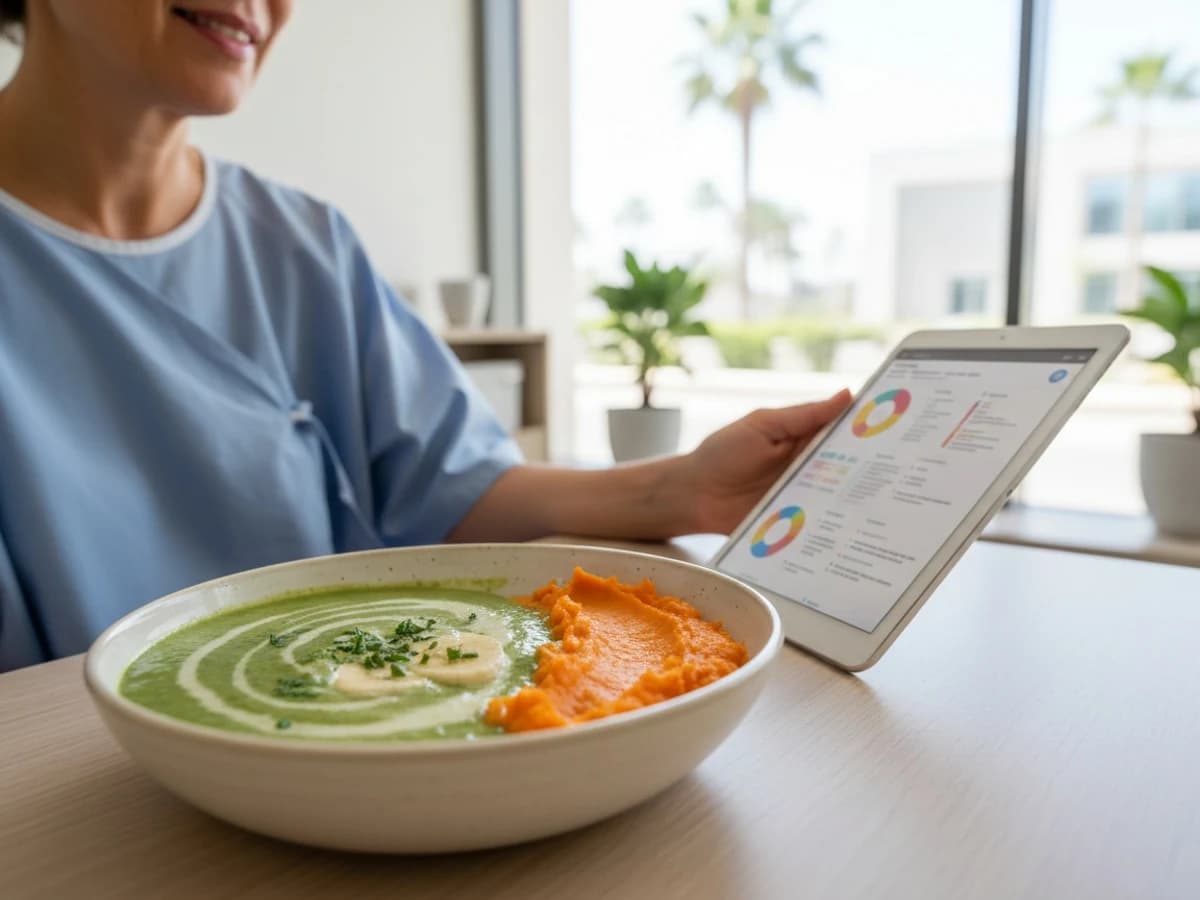
Diet after dental implant surgery: why the first days matter
Placing a dental implant—whether a titanium or zirconia fixture—begins a healing process called osseointegration, where bone grows closely against the implant surface. In the first hours, days and weeks after surgery your diet plays a direct role in protecting the blood clot, reducing swelling and avoiding mechanical forces that could disturb the site. This guidance is written to help you eat safely, get the nutrition your body needs, and feel comfortable while tissues heal. If you’re traveling to Antalya for treatment, the team at Dentsun International will walk you through a tailored plan based on whether you had grafting, multiple implants, or a single straightforward placement.
Immediate post-op: first 24–48 hours
During the first 24–48 hours the goal is to keep the surgical site undisturbed and to reduce heat and swelling. Think cool, soft, and gentle.
- Eat: cool liquids and very soft non-chewing foods such as smooth yogurt, pudding, applesauce, lactose-tolerant milk drinks, cool broths and blended soups (lukewarm or cool).
- Avoid: hot foods and beverages, using a straw (no suction), smoking, alcohol, and any food that requires chewing—especially on the side of surgery.
- Practical tip: use a spoon rather than a straw and allow hot liquids to cool. Avoid vigorous rinsing or spitting; gentle mouth care as instructed by your clinician is best.
Early healing: 48–72 hours
Once immediate swelling and bleeding have diminished you can add slightly thicker, mashed and puréed items while still protecting the wound from pressure and trauma.
- Good choices: smoothies without seeds or fibrous bits, mashed potatoes, scrambled eggs, soft tofu, cottage cheese, well-blended beans or lentil purée, oatmeal or cream of wheat cooled to a comfortable temperature.
- How to prepare: mash, blend or fork-smash foods; keep textures soft and avoid seeds, nuts, and small particles that can lodge near the surgical site.
- Continue to avoid chewing on the implant side and do not use straws.
Week 1 to week 2: soft solids
As pain and swelling ease, most patients progress to soft-solid foods that require minimal chewing. Always follow your dentist’s direction—cases with bone grafting or multiple implants often require a longer soft-food period.
- Suggested foods: soft fish, finely shredded or ground meats, tender chicken, well-cooked pasta, soft rice, polenta, well-cooked and mashed vegetables, ripe bananas and other seedless soft fruit.
- Technique: take small bites, chew on the opposite side, and avoid biting into foods with the front teeth if the implant is in an anterior position.
Weeks 2 to 6: gradual return to regular textures
Between weeks 2 and 6 many patients can slowly reintroduce firmer textures as tenderness permits. Proceed cautiously—avoid crunchy, hard or sticky foods until your clinician explicitly clears you.
- Introduce firmer foods in small amounts and prefer cutting items into small, bite-sized pieces.
- If you had sinus lift, grafting, or multiple implants, expect a more conservative timeline and ask your dentist for personalized approval before returning to full chewing function.
Nutritional priorities to support healing
Wound repair needs adequate energy, fluids and building blocks—especially protein. Focusing on nutrient-dense soft foods makes recovery easier and reduces the risk of unintended weight loss or nutrient gaps.
- Protein sources: Greek-style yogurt (plain or mild-flavoured), cottage cheese, scrambled eggs, soft tofu, blended legumes, soft fish and tender poultry.
- Carbohydrates for energy: mashed potatoes, polenta, well-cooked rice, soft pasta, and porridges.
- Hydration: water, cooled broths and lukewarm soups. Hydration helps saliva flow and supports overall recovery—sip frequently but without a straw.
- Small, frequent meals are easier to manage than large portions and help maintain protein and calorie intake.
Foods and habits to avoid
Protecting the surgical site is as much about the foods you skip as the ones you choose.
- Crunchy or hard foods: chips, popcorn, nuts, raw carrots, hard breads and crusts.
- Sticky foods: caramels, taffy, gummy candies and overly sticky rice preparations.
- Very hot or highly acidic/spicy foods in the first 48 hours (or longer if they cause irritation).
- Smoking and alcohol: both impair blood flow and wound healing—avoid during the critical healing period.
- Also avoid straws and any activity that creates suction in the mouth.
Practical meal ideas and simple recipes
Here are clinic-friendly ideas you can prepare easily or request at a hotel or villa kitchen:
- Smoothie (no seeds): plain yogurt, soft banana, a spoon of peanut butter or protein powder, and milk or milk alternative—blend until silky. Eat with a spoon, not a straw.
- Blended vegetable soup: simmer vegetables until very soft, blend with stock, cool and season lightly.
- Mashed potato bowl: mashed potato with flaked soft fish or smooth lentil purée for protein.
- Scrambled eggs with soft avocado: cut avocado into soft cubes and eat with tiny bites away from the surgery side.
- Soft porridge topped with mashed fruit or a spoon of soft ricotta for added protein.
When to contact your dentist
Normal healing may include mild discomfort, minor bleeding or bruising. Contact your dental team promptly if you notice:
- Persistent or progressively worsening pain that is not controlled by prescribed medications
- Heavy or prolonged bleeding beyond the first 24 hours
- Increasing swelling after an initial improvement, fever, or signs of infection
- A loose or mobile implant or restoration
The staff at Dentsun International are available to review your symptoms and provide guidance. If you are an international patient in Antalya, we make follow-up straightforward with clear return instructions and local support where needed.
Final reassurance
A staged, nutrient-dense soft-food approach protects the implant site and supports bone and soft-tissue healing. Modern implant care in clinics like Dentsun International combines precise planning with technologies such as CBCT imaging and digital workflows—but your active role in following diet and aftercare recommendations is just as important to a successful outcome. With careful food choices, good hydration, and close communication with your dental team, most patients move through the stages of healing comfortably and return to their normal diet on the timetable your clinician recommends.


